
guide
Spotify AI DJ: Personalization, Voice, and Artist Discovery
How Spotify AI DJ works, what the Spanish voice Livi changed, and how personalized commentary affects discovery, privacy, and artists.
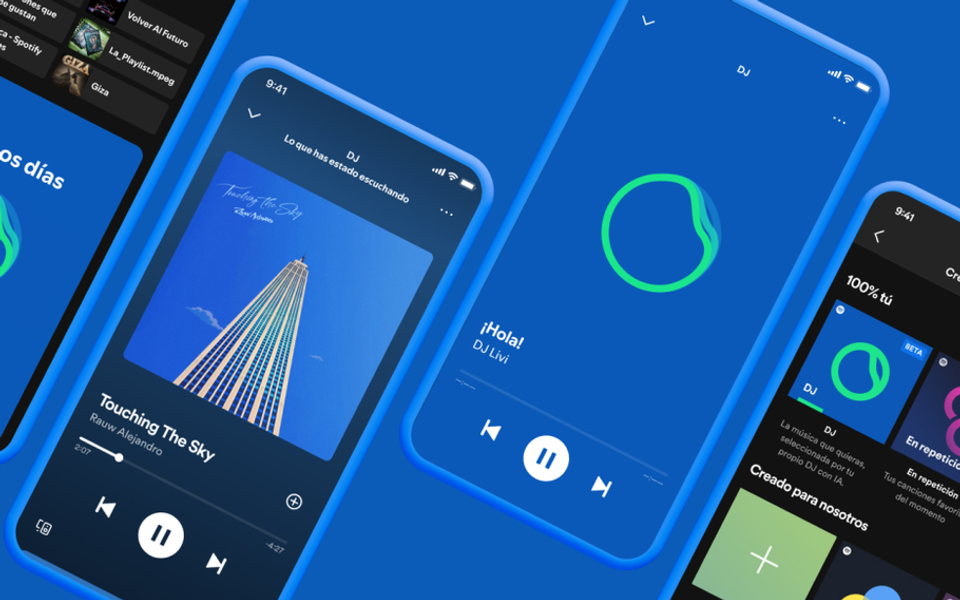
Spotify’s Spanish-language AI DJ, voiced by senior music editor Olivia “Livi” Quiroz Roa, turned the 2024 roundup on this URL into a durable case study in personalized audio. AI DJ combines recommendation systems, editorial input, generative technology, and a licensed human voice to add spoken context around music.
How AI DJ works
Spotify describes DJ as a personalized guide that selects music and adds commentary about the recommendations. The company says the product combines personalization, generative AI used by music editors, and a modeled voice. Users can switch between supported voices and make requests where available.
Why Livi mattered
Livi expanded the product to Spanish-speaking Premium listeners and showed that localization is more than translation. Spotify selected the voice of an experienced editor based in Mexico City and said users found it relatable. Cultural context, pronunciation, tone, and editorial judgment are part of the product quality.
Discovery effect
Spotify has said commentary can make listeners more likely to try a song they might otherwise skip. For artists, that means context may become part of recommendation: a release story, scene, influence, or catalog connection can help a listener understand why a track was selected.
Limits and trade-offs
Personalization can narrow exposure if the system keeps returning to familiar patterns. Spoken context can also feel authoritative even when it is generated from incomplete metadata. Listeners should use DJ as one discovery mode alongside human playlists, radio, direct artist communities, and active search.
What artists can do
- Deliver accurate genre, credits, release dates, and contributor metadata.
- Tell a clear release story through artist profiles and editorial pitches.
- Monitor which tracks become entry points to the catalog.
- Build direct fan channels so discovery does not depend on one algorithm.
- Avoid manipulating metadata or release volume to chase recommendations.
Privacy and voice consent
Personalization depends on listening data, while the voice layer depends on authorized use of a real person’s voice. Spotify’s Livi example is stronger than anonymous imitation because the contributor and role are public. Users should still review platform privacy controls and understand that recommendations are inferred from behavior.
Conclusion
Spotify AI DJ is best understood as contextual recommendation, not an autonomous radio personality. Its success depends on editorial quality, accurate metadata, consented voices, and enough variety to help listeners move beyond what they already know.
Frequently asked questions
Is Spotify AI DJ available to everyone? Availability depends on Premium status, country, language, and product rollout.
Is Livi a cloned celebrity voice? Spotify says the voice model is based on its senior music editor Olivia Quiroz Roa and was created for the product.
Can artists submit commentary to AI DJ? Spotify has not presented DJ as a direct artist-controlled narration channel; accurate metadata and editorial pitching remain important.
Sources and further reading
- Spotify — AI DJ in SpanishOfficial description of Livi, product design, and rollout.
- Spotify — Artist-first AI collaborationCurrent AI product principles and discovery context.
- Spotify — AI protectionsVoice authorization, disclosure, and artist protection.