
 How to Prompt AI Music Without Copying an ArtistReplace artist-name prompting with a vocabulary of purpose, tempo, timbre, harmony, dynamics, structure, and original constraints.Read
 Doldur Music journal · 81 stories
Notes from music’s
changing edge.
Original reporting, guides, and analysis on AI artists, music technology, and creative practice.
How to Prompt AI Music Without Copying an ArtistReplace artist-name prompting with a vocabulary of purpose, tempo, timbre, harmony, dynamics, structure, and original constraints.Read Start here
Useful guides and explainers
 Average Song Length by Decade: Why the Median Tells a Better StoryThe typical track becomes shorter after 2000 in one selected catalogue, but medians, cohort sizes, genre mix, and collection methods define the result.Read
  Spotify Streams vs YouTube Views: Why They DifferSpotify streams and YouTube views count different actions and media objects. Learn how to match, date, deduplicate, and interpret them responsibly.Read
 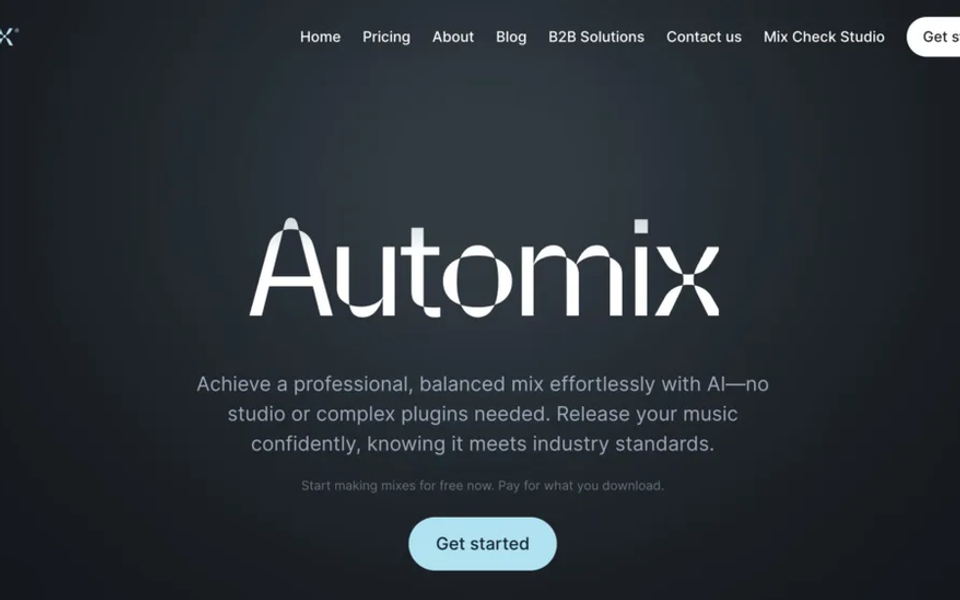 RoEx Automix Review: AI Mixing, Mastering, and Mix CheckA current RoEx review covering Automix, Mix Check Studio, supported files, workflow, rights, pricing cautions, and when to use a human engineer.Read
  AudioCipher V4 Review: Text-to-MIDI and MIDI VaultA current AudioCipher V4 review covering text-to-MIDI, MIDI Vault, workflow, compatibility, pricing, limitations, alternatives, and who should buy it.Read
  Suno and Udio Copyright Case TrackerTrack the Suno and Udio copyright cases by party and document: 2024 complaints, defenses, 2025 settlements and licenses, and questions still unresolved in 2026.Read
 Archive
Keep reading
 ElevenLabs Music API Tutorial: Generate a Structured TrackDesign a structured Music API request with ordered sections, validation, retries, asset records, and a human review gate.Read
  ElevenMusic vs ElevenCreative vs ElevenAPIChoose among ElevenMusic, ElevenCreative, and ElevenAPI by starting with your workflow—not an unsupported winner.Read
  How to Brief AI Music for Ads and Branded ContentTurn a campaign strategy into an AI music brief with clear brand attributes, timing, deliverables, review criteria, and rights records.Read
  How to Create Multilingual AI SongsBuild multilingual AI songs through meaning-first adaptation, syllable planning, pronunciation tests, and native-speaker review.Read
  ElevenLabs Music Licensing Explained by Use CaseA use-case framework for reading ElevenLabs Music terms, documenting account context, and avoiding blanket rights claims.Read
  How to Generate AI Game Music and LoopsPlan AI game music around player state, seamless loop boundaries, intensity layers, implementation, and licensing.Read
  How to Create Podcast Intro and Outro MusicDesign podcast intro and outro music around show identity, spoken timing, repeat listening, mix space, and a clean final cue.Read
 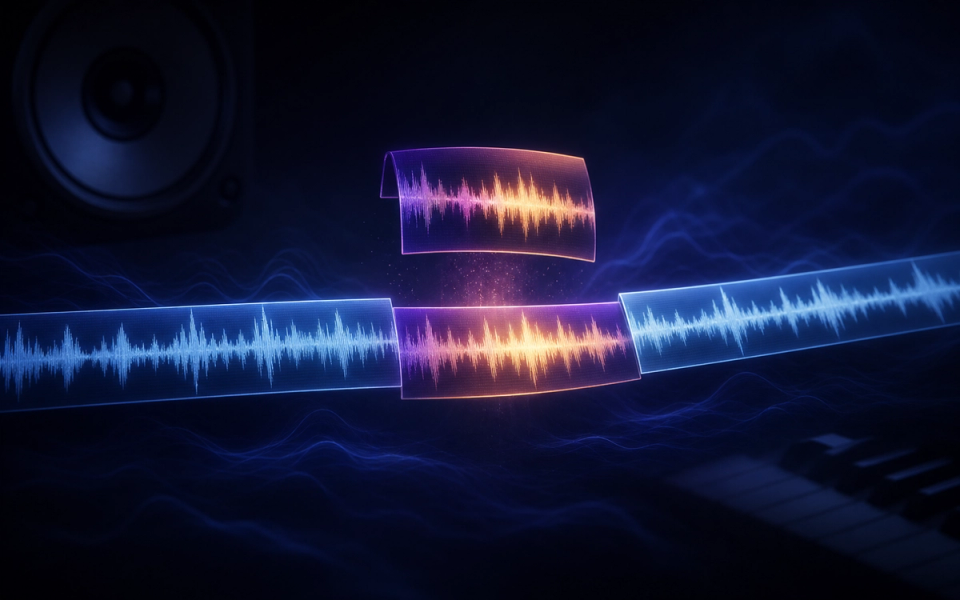 Eleven Music Inpainting: Edit One Section, Keep the RestA focused workflow for identifying one weak passage, writing a local edit brief, and checking both joins after music inpainting.Read
 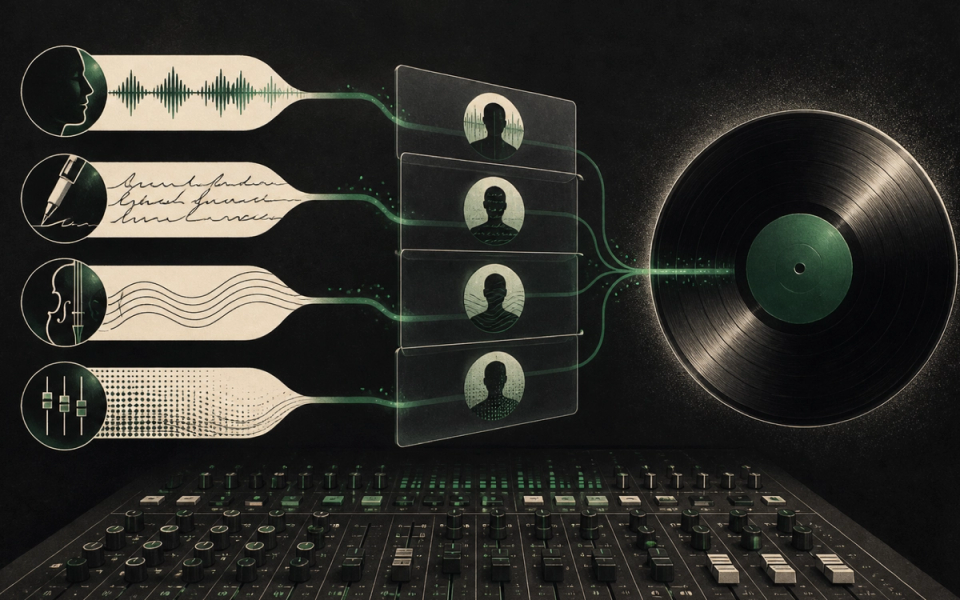 How Spotify AI Credits Work—and What They Don’t ProveLearn where Spotify AI credits appear, which creative roles they describe, why missing credits prove nothing, and how artists can preserve accurate records.Read
  Is This Artist AI? A Practical Verification ChecklistCheck whether a music artist uses AI through credits, platform labels, identity history, collaborators, real-world activity, and careful technical evidence.Read How to Build an AI Song Section by SectionUse section jobs, contrast, transitions, and energy mapping to give an AI-generated song a coherent beginning, middle, and end.Read
  How to Create Background Music for YouTube VideosBuild AI background music around narration, scene changes, edit points, loudness, and licensing—not genre alone.Read
  MusicRecording and MusicAlbum Schema GuideModel artists, albums, tracks, and specific releases as one connected JSON-LD graph using MusicGroup, MusicAlbum, MusicRecording, and MusicRelease.Read
  Music Release SEO Checklist: Before and After LaunchA practical release-day SEO checklist for canonical pages, metadata, internal links, sitemaps, structured data, indexing checks, and measurement.Read
  Best AI Tools for Music ProducersChoose editable production assistants by task: MIDI ideation, generated performances, stem separation, repair, mixing, dynamics, limiting, and mastering.Read
  Best AI Tools for Independent ArtistsBuild a small AI stack for songwriting, production, mastering, visuals, distribution, and release verification without losing artist identity or rights records.Read
  Eleven Music v2 Guide: What Changed and How to Use ItA practical guide to the announced Music v2 workflow, including structured prompting, section editing, and evidence checkpoints.Read
  How AI-Generated Music Detection WorksAI-music detectors classify learned audio patterns. Their scores depend on the target, dataset, model coverage, processing, and threshold and require corroboration.Read
  Spotify AI Music Policies: What Artists Need to KnowSpotify does not publish a blanket AI-music ban. Artists must comply with rules on voice impersonation, rights, identity, spam, artificial streams, and metadata.Read
  Licensing AI-Generated Loops: A Producer ChecklistAudit the product, plan, inputs, output grant, restrictions, ownership, survival, Content ID rules, and evidence before releasing an AI-generated loop.Read
  Copyright Guide for AI-Separated StemsAI separation changes an audio file, not its rights. Map the master, composition, contracts, tool terms, intended use, permissions, and evidence before release.Read
  BandLab SongStarter Tutorial: From Idea to TrackGenerate a SongStarter seed, move it into BandLab Studio, replace its defining musical elements, add original writing and performance, and document the rights trail.Read
  How to Make an AI Song With Vocals and LyricsPlan lyric meter, vocal space, song sections, and revision passes before generating an AI song with vocals.Read
 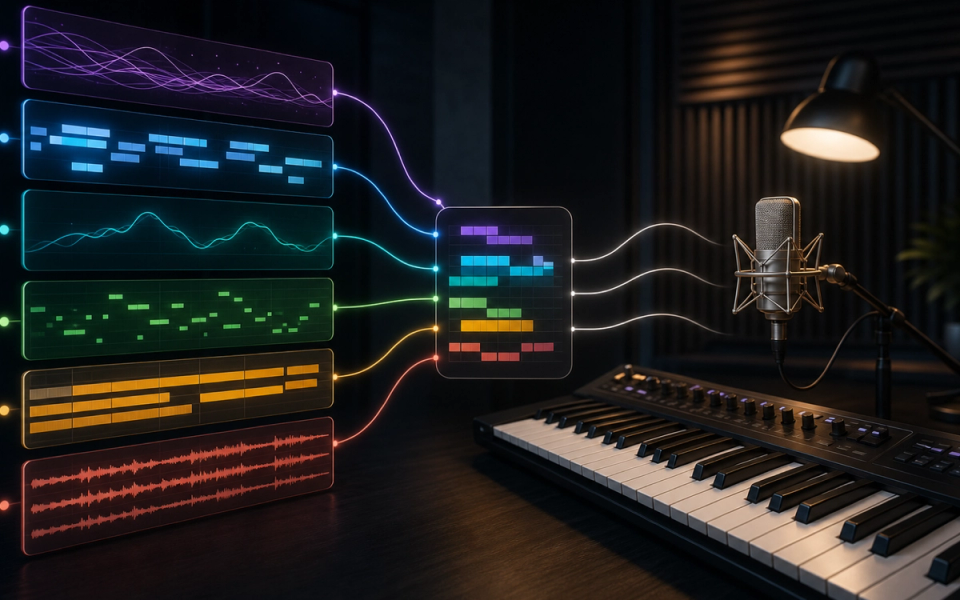 Best AI Songwriting Tools for Editable IdeasChoose an AI songwriting tool by the part of the song that is missing: lyrics, chords, melody, MIDI, arrangement, instrumental parts, or a rendered demo.Read
 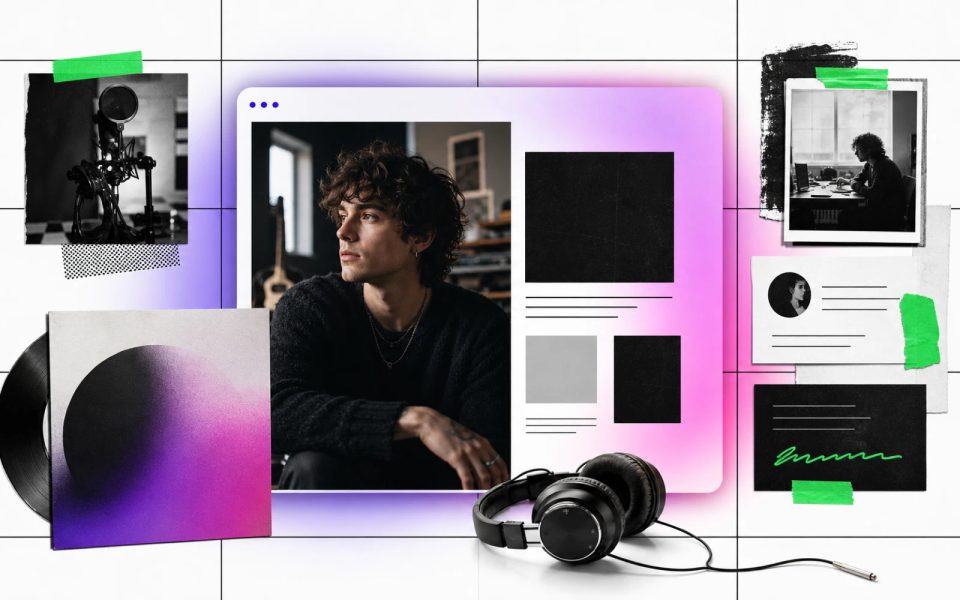 How to Build a Musician Website With AIPlan and build a focused musician website with AI, then connect the domain, official music destinations, contact route, and launch checks.Read
  Artist Website vs Link in Bio: Which Do You Need?Compare an artist website with a link-in-bio page, see where specialist music links fit, and choose the smallest useful setup for your next campaign.Read
 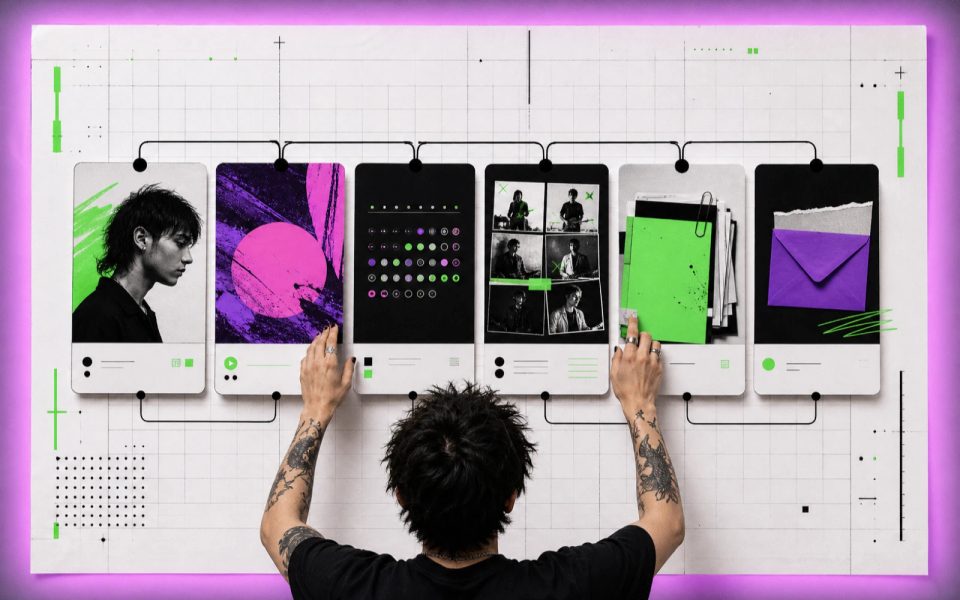 What Pages Should a Musician Website Include?Choose the musician website pages that fans, press, promoters, and collaborators actually need, without creating empty sections you cannot maintain.Read
 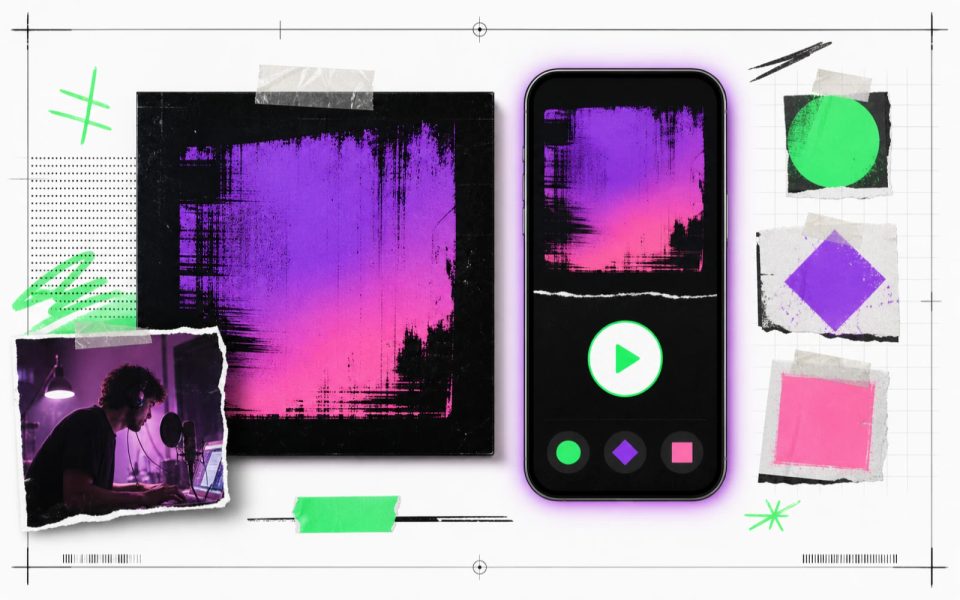 How to Create a Landing Page for a New Song ReleaseBuild a focused landing page for a new song with approved artwork, clearly labelled service links, a mobile-first hierarchy, and a release-day update plan.Read
 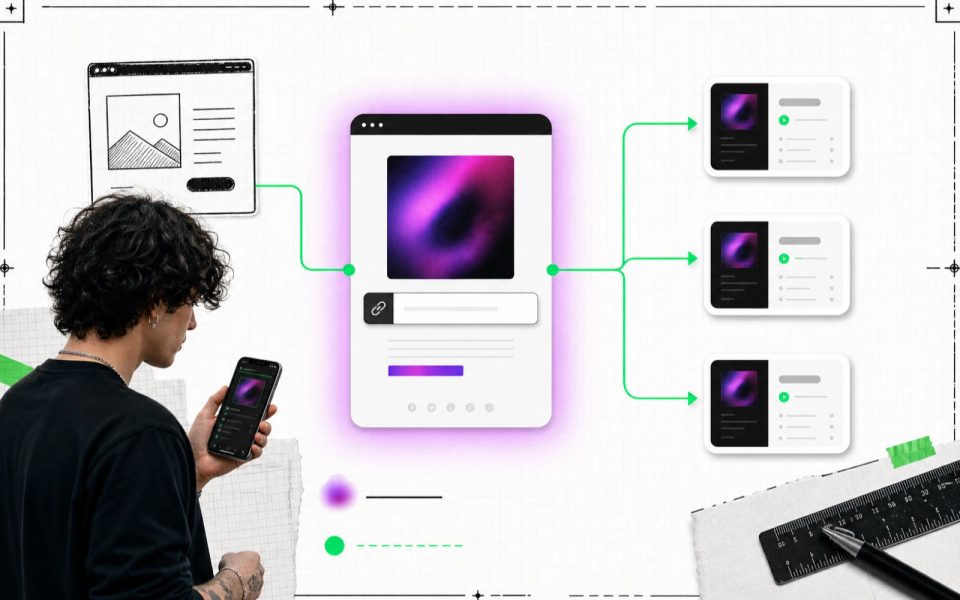 How to Make One Music Link for Spotify, Apple Music, and YouTubeCreate one manual music link page for Spotify, Apple Music, and YouTube—and know when a specialist smart-link or pre-save service is the better tool.Read
 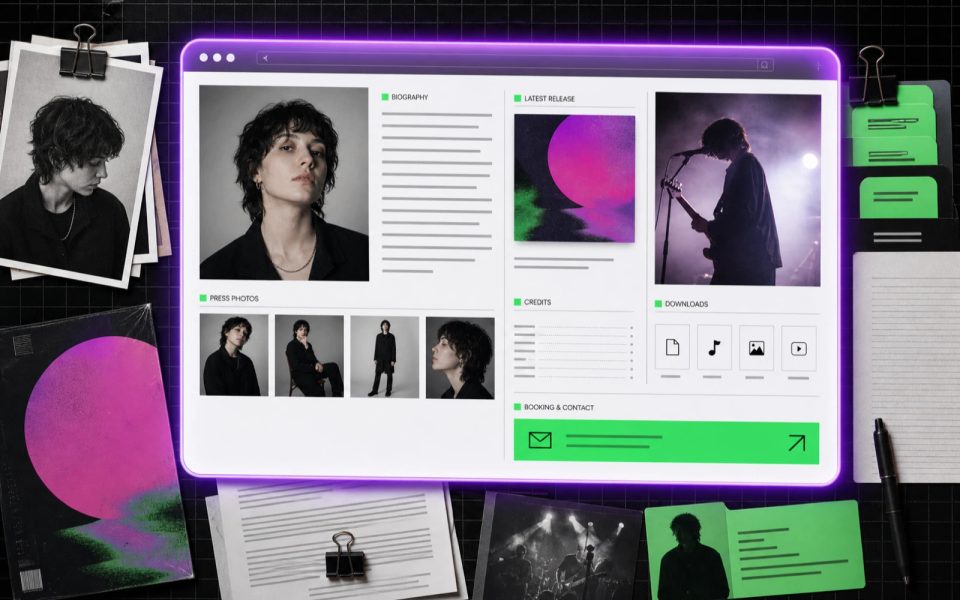 How to Build an EPK Website for MusiciansBuild an electronic press kit website with a concise bio, music, approved photos, live proof, credits, downloads, and a direct booking contact.Read
 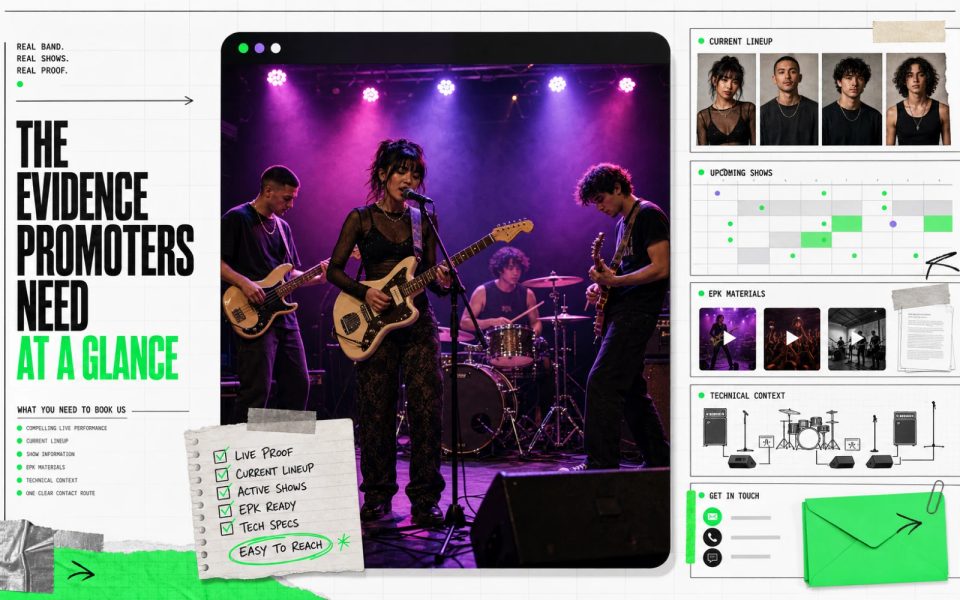 How to Make a Band Website That Gets Booking InquiriesStructure a band website around the facts, live evidence, EPK material, and contact route promoters need before they can send a booking enquiry.Read
 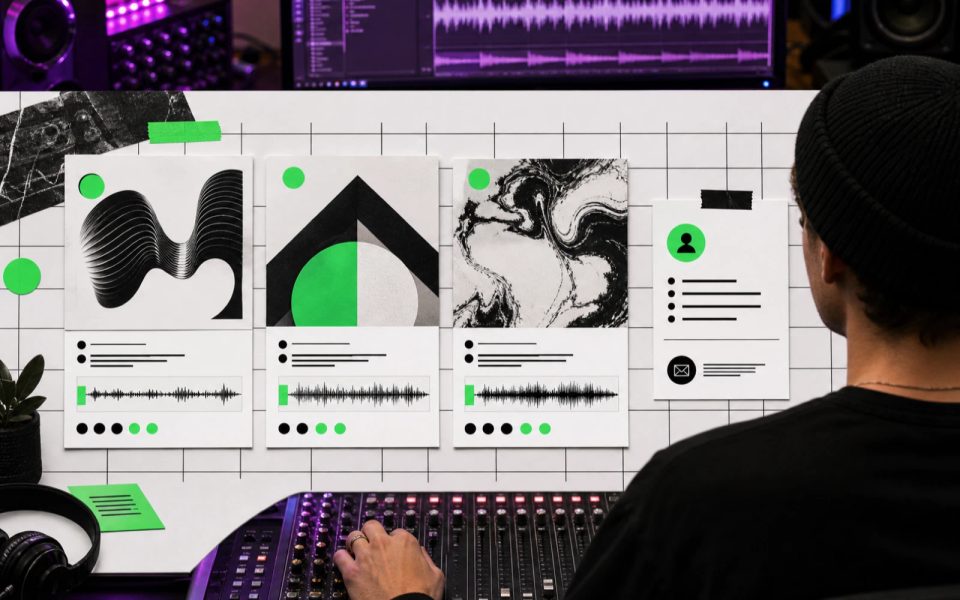 How to Create a Music Producer Portfolio WebsiteCreate a music producer portfolio website that shows selected projects, exact roles, useful context, services, and a clear route for suitable clients.Read
 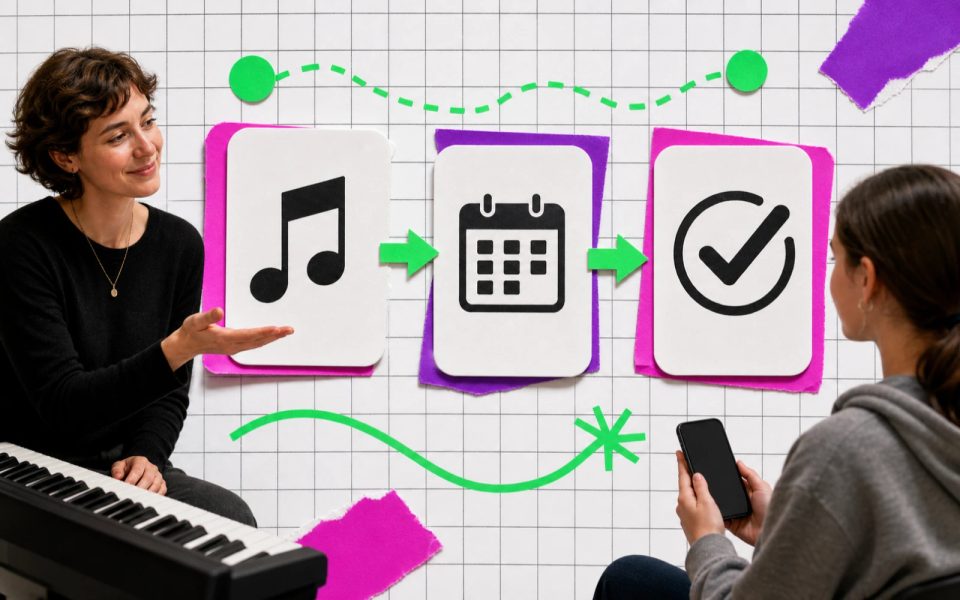 How to Build a Music Teacher Website With PaymentsBuild a music teacher website that explains lesson fit, pricing, policies, and contact, then connects verified external scheduling and payment tools.Read
 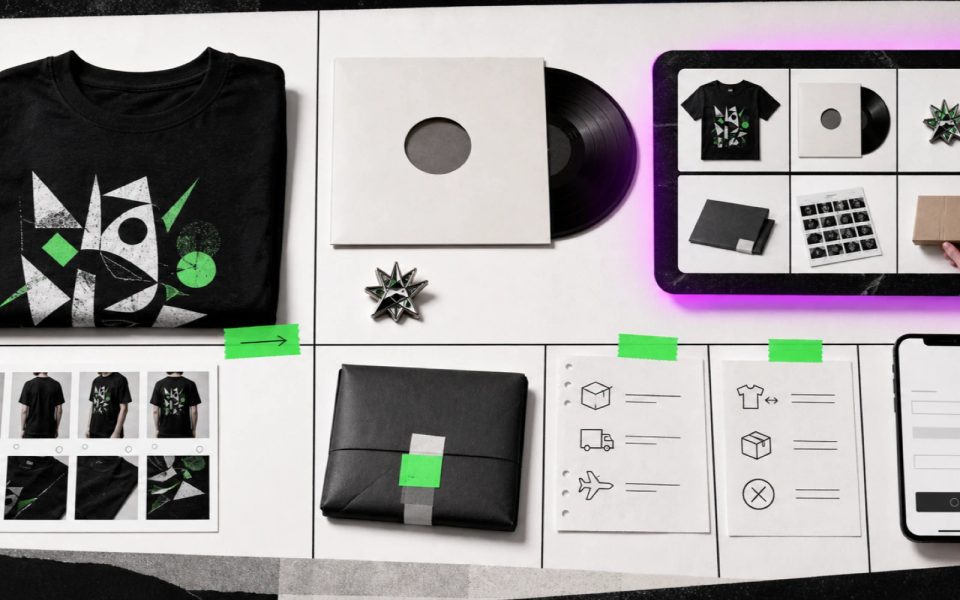 How to Build an Artist Merch Store WebsitePlan an artist merch website around products you can fulfill, complete product information, clear policies, verified payments, and a tested mobile checkout.Read
  AI Mixing vs Human Mixing: Where Each WorksAI mixing is fast at measurement, repeatable starting points, and narrow corrections; human engineers remain stronger at context, taste, communication, and exceptions.Read
 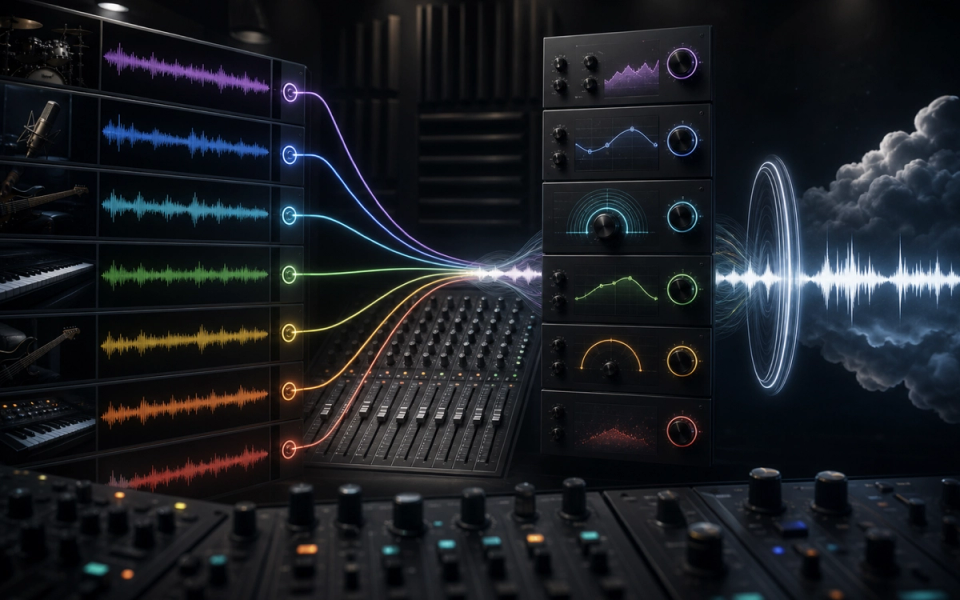 Best AI Mixing and Mastering ToolsCompare current AI-assisted mixing and mastering tools by task, control, export, privacy, price model, and whether you need a starting point or finished file.Read
  LoopLM Alternatives for AI-Generated LoopsAux and LoopLM have shut down. Compare current replacements for text-generated loops, session-aware samples, layered ideas, stems, and longer source material.Read
  Best AI Sample Generators for ProducersCompare current AI sample tools by generation method, DAW workflow, export, licensing, privacy, and whether you need a loop, layered idea, or full track.Read Text-to-MIDI vs Text-to-Audio for Music ProductionChoose text-to-MIDI for editable composition and instrument control; choose text-to-audio for rendered sound, fast demos, texture, or complete audio concepts.Read
  Best AI MIDI Generators for Music ProducersCompare AI MIDI generators by editing workflow, DAW integration, musical context, export, licensing, and whether the product actually uses generative AI.Read
  Stem Separation vs Source Separation: What Is the Difference?Stem separation and music source separation often name the same unmixing process, but estimated sources are not the same as original production stems.Read
  AI Music Prompts: A Practical Brief for Better SongsUse purpose, musical attributes, structure, and exclusions to turn a vague AI music prompt into a practical creative brief.Read
  How to Isolate Vocals Without Losing QualityA practical vocal-isolation workflow covering source preparation, separation settings, artifact checks, repair, level matching, exports, and rights.Read
  Best AI Stem Splitters: A Practical ComparisonCompare current stem splitters by workflow, privacy, output control, rights, and cost—then choose the right tool for your actual production task.Read
  How to Make AI Music: A Beginner’s WorkflowA practical beginner workflow for planning, generating, reviewing, editing, and responsibly using an AI-made track.Read Music Streaming Statistics 2026: What the Surveys Actually ShowCompare current music streaming surveys without mixing countries, samples, stream totals, revenue, subscriptions, and listening-time measures.Read How to Discover New Music in 2026 Without Getting StuckUse algorithms for speed, human curators for context, complete releases for depth, and direct artist channels to make new discoveries last.Read Do Music Algorithms Narrow Your Taste?Music recommendations can broaden discovery and reinforce familiarity at once. Separate personal variety from audience-wide similarity before judging the effect.Read
  Spotify Free vs Premium: What Actually ChangesCompare the durable differences between Spotify Free and Premium, then decide whether control, downloads, audio options, and current paid features justify the cost.Read Why We Listen to Music: Mood, Focus, Memory, and RoutineMusic helps shape mood, energy, attention, memory, identity, and shared time, but the effect depends on the person, task, culture, and listening context.Read Does Spotify Favor Shorter Songs?Short songs can replay sooner, but Spotify publishes no automatic duration bonus. Separate counting, streamshare, completion, recommendation, and real listener choice.Read Did TikTok Make Songs Shorter?TikTok gives recognizable excerpts unusual discovery power, but format history, streaming, genre, and release strategy also shape full song duration.Read Why Listeners Skip Songs in the First SecondsListeners make fast judgments, but a skip can describe sequence, familiarity, mood, interruption, or active searching as much as the song itself.Read
 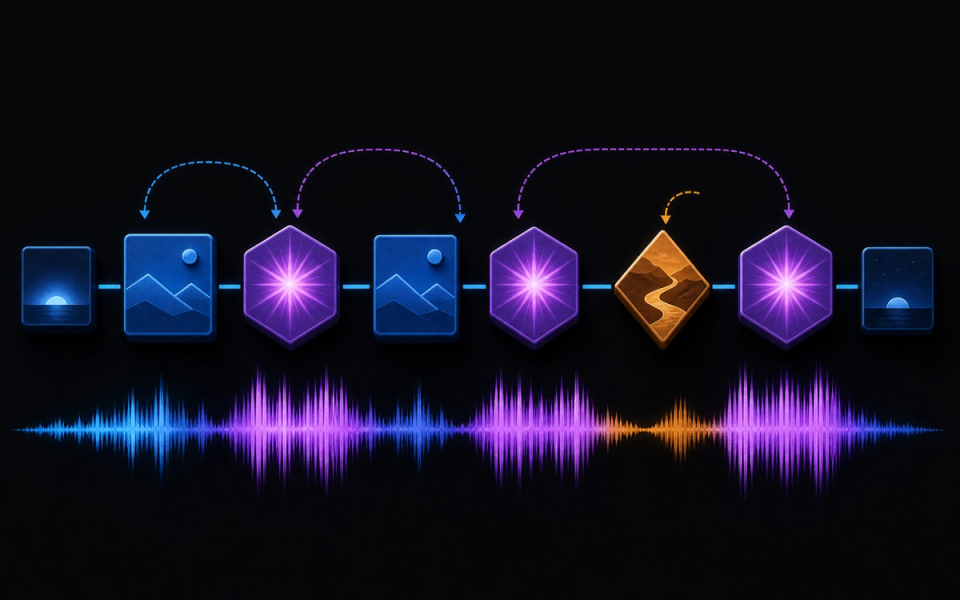 How Long Should a Song Be? Let the Musical Job DecideA song should last long enough to complete its musical job and no longer than its sections earn, whether that means two focused minutes or a slow twelve-minute build.Read How to Spot Bias in a Music DatasetUse seven practical checks to find selection, cultural, label, duplicate, rights, and missing-field bias before interpreting music data.Read
 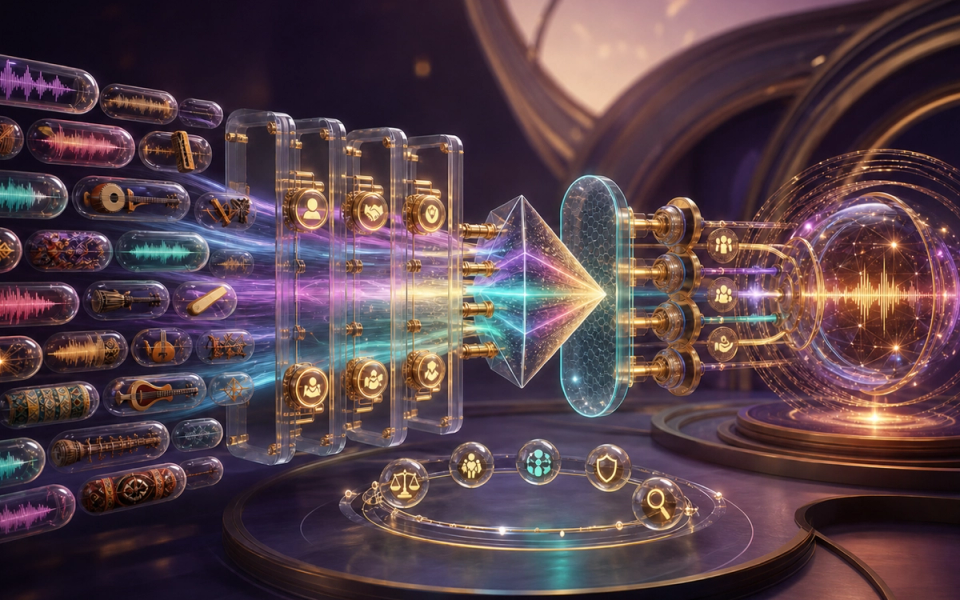 What Ethical Music AI Training Data RequiresEvaluate music-AI training through authority, consent, purpose limits, compensation, provenance, representation, privacy, transparency, and continuing governance.Read Why Music Genre Labels Break Across CulturesGenre is a cultural map, not a universal audio property. Learn why taxonomies disagree and how multi-label, sourced systems preserve more truth.Read How AI Learns Music—and What Its Data MissesMusic AI learns numerical patterns from audio, notes, labels, and text. See what each representation teaches—and what narrow training data misses.Read AI Music Platforms in 2026: Creation, Licensing, and FansAI music platforms now span creation, licensed fan remixes, rights management, and artist protection. Here is what independent artists should verify in 2026.Read
 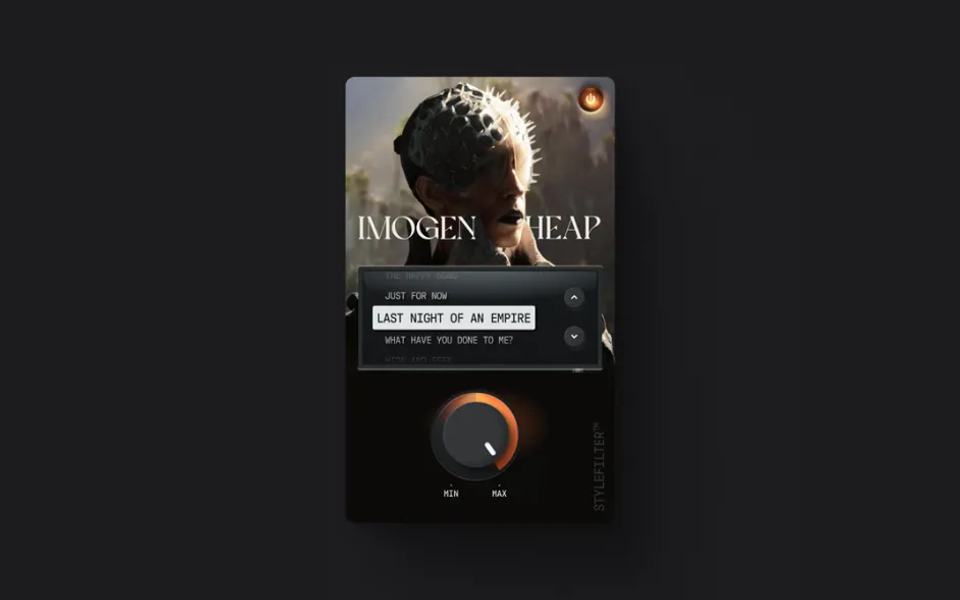 Imogen Heap StyleFilters: Licensed Artist Style in JenHow Jen’s Imogen Heap StyleFilters work, what licensed artist style means, current pricing, ownership claims, and questions creators should verify.Read
  MusicFX DJ and KLAY: Two Models for Ethical AI MusicGoogle’s MusicFX DJ and UMG-backed KLAY represent different AI music paths: interactive experimentation and licensed foundational models.Read
  AI Music Licensing in 2026: A Practical Artist FrameworkA practical guide to AI music licensing, human authorship, training consent, voices, metadata, and release documentation for artists.Read
  Suno Copyright Lawsuit Tracker: What Artists Should KnowA sourced update on the record-label lawsuits against Suno and Udio, copyright questions, covers, and a safer workflow for AI-assisted releases.Read
  AudioShake Review: Stem Separation, Lyrics, Sync, and APIA current AudioShake review for artists, labels, and developers covering stem separation, lyric alignment, sync workflows, APIs, limitations, and rights.Read
  Spotify AI Music Rules: Spam, Impersonation, and Artist ProtectionSpotify’s current approach to AI music: what is allowed, what can be penalized, and how artists can protect profiles, credits, and royalties.Read
  How AI Is Changing the Music Industry in 2026A practical map of how AI affects music creation, production, rights, distribution, discovery, and artist careers in 2026.Read
  AI Music Trends 2026: Rights, Tools, Platforms, and FansThe most important AI music trends in 2026: creator tools, licensed models, platform protections, metadata, copyright, and durable artist strategy.Read
 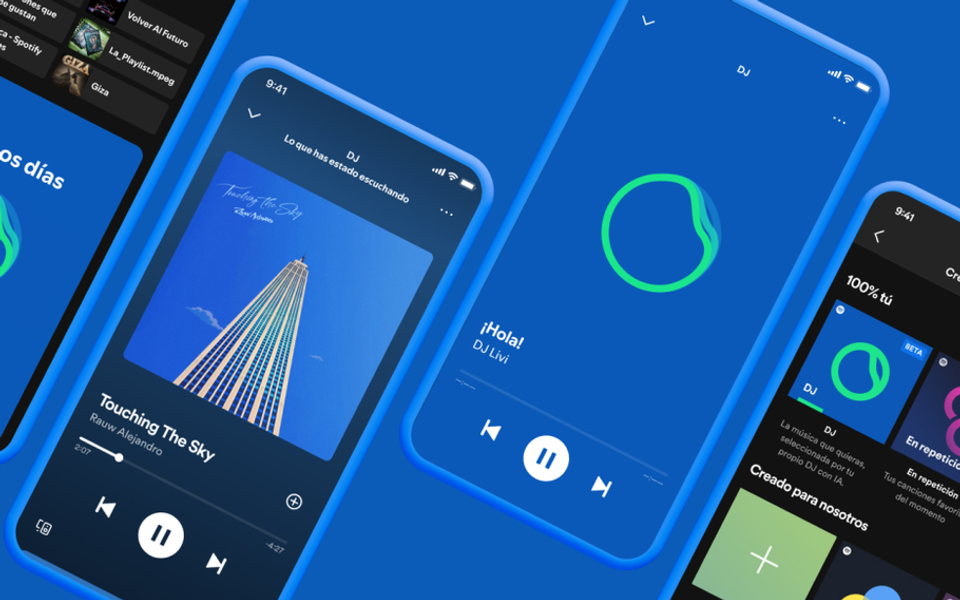 Spotify AI DJ: Personalization, Voice, and Artist DiscoveryHow Spotify AI DJ works, what the Spanish voice Livi changed, and how personalized commentary affects discovery, privacy, and artists.Read
 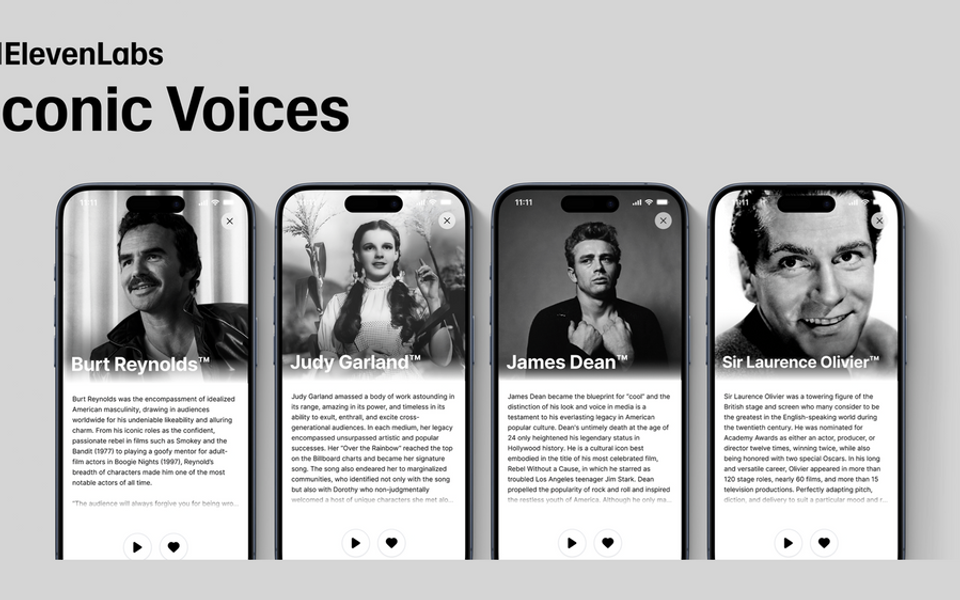 Licensed AI Voices: Consent, Estates, and Safe UseWhat licensed AI voices can teach creators about consent, estates, usage limits, disclosure, and responsible voice products.Read
  Elshad Karabulut: Music, Identity, and AI-Assisted ProductionAn updated profile of Doldur artist project Elshad Karabulut, focused on the catalog, creative identity, transparent AI assistance, and listener context.Read
  AI Musicians at Doldur: Elshad Karabulut and Zey WilliamsA transparent introduction to Doldur artists Elshad Karabulut and Zey Williams, how the projects use AI assistance, and how listeners should evaluate virtual artists.Read
 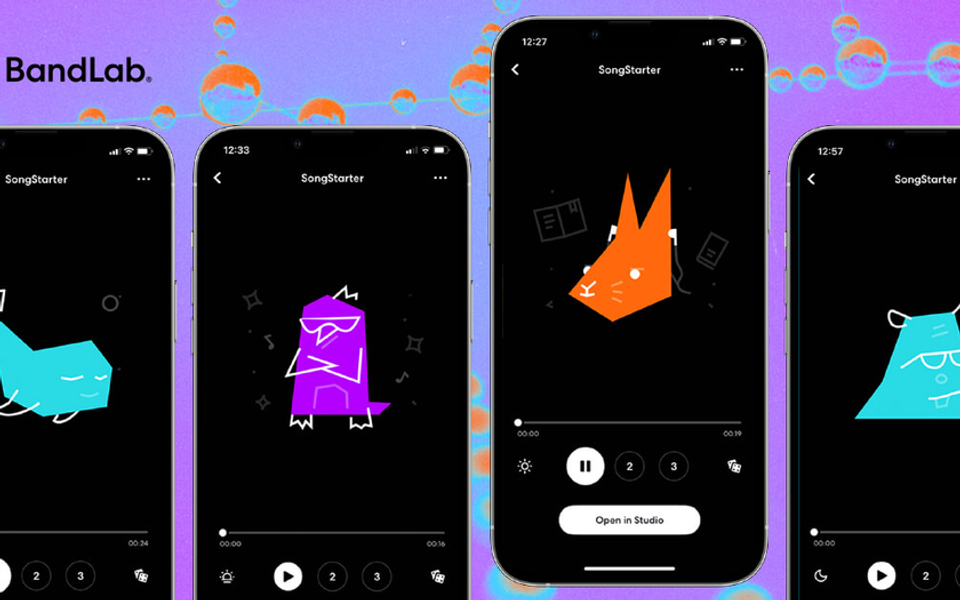 BandLab SongStarter Guide: Workflow, Rights, and LimitsLearn how to use BandLab SongStarter, move an idea into Studio, understand the current rights note, and turn a generated seed into an original song.Read
  AI Stem Separation: A Practical Guide to Cleaner StemsA practical guide to AI stem separation: how it works, where artifacts come from, how to preserve quality, choose tools, and handle copyright.Read
 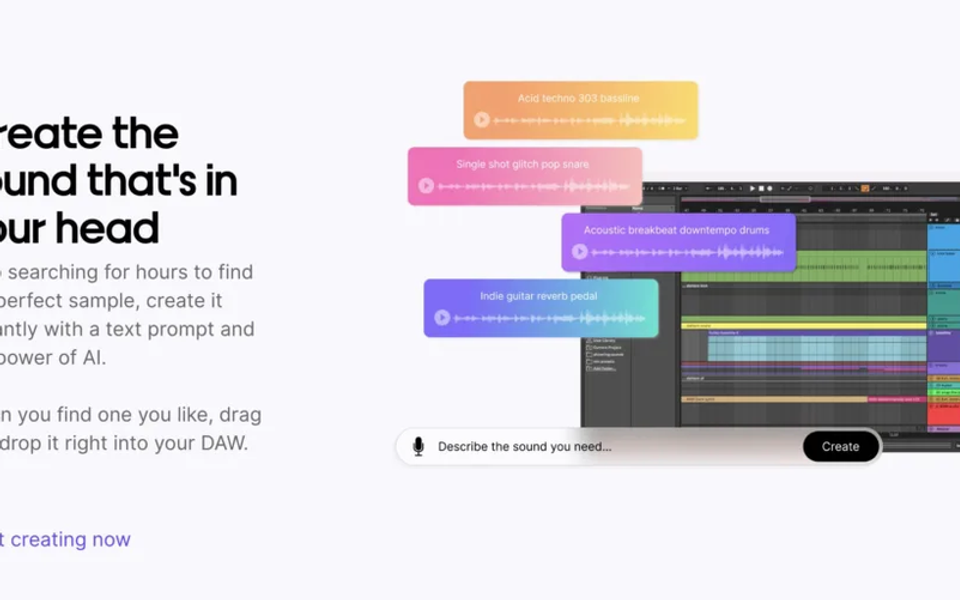 LoopLM by Aux Review: Status, Workflow, and AlternativesA current review of LoopLM by Aux, including its original text-to-loop workflow, licensing questions, product-status checks, and practical alternatives.Read
 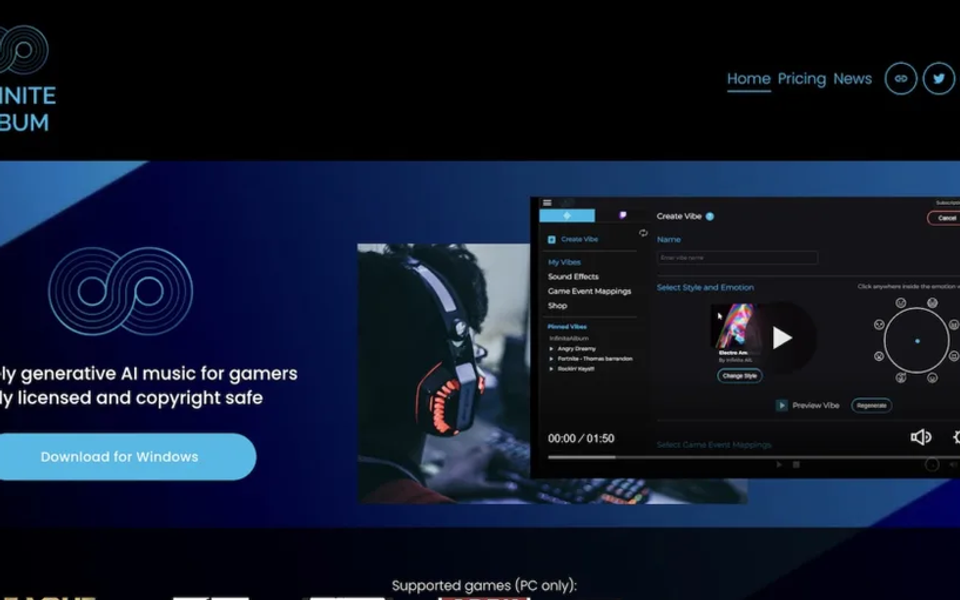 Infinite Album Status: What Happened to the AI Game Music App?Infinite Album is no longer available in its original form. This update explains what it offered, what changed, and current options for stream-safe adaptive music.Read