guide
How Long Should a Song Be? Let the Musical Job Decide
A song should last long enough to complete its musical job and no longer than its sections earn, whether that means two focused minutes or a slow twelve-minute build.
How long should a song be? Long enough to complete its musical job and short enough that every section earns its place. There is no universal Spotify, radio, TikTok, or SEO duration. A focused pop single may work in two and a half minutes; an ambient piece, club mix, narrative song, or improvisation may need far more time.
Key points
- Start with form, audience, and release purpose rather than a platform rumor.
- Remove sections that repeat without adding energy, meaning, or contrast.
- Keep development when atmosphere, story, dance function, or performance needs it.
- Treat radio edits and promotional excerpts as separate tools, not replacements for the artistic master.
- Test listener response and sequence at matched volume before changing duration.
There is no ideal song length for every release
The familiar three-minute target comes from a mixture of recording history, radio programming, popular-song form, and later digital habits. It is a useful reference for some singles, not a rule of music.
Duration varies because songs do different work. A verse-chorus single establishes and repeats a hook. A dance track supports mixing and physical movement. A ballad develops a narrative. Ambient music shapes sustained attention. Jazz and classical performances include interpretation and form that may not survive compression.
Ask “What must happen before this track feels complete?” before asking what a platform might prefer.
Use form to estimate the first draft
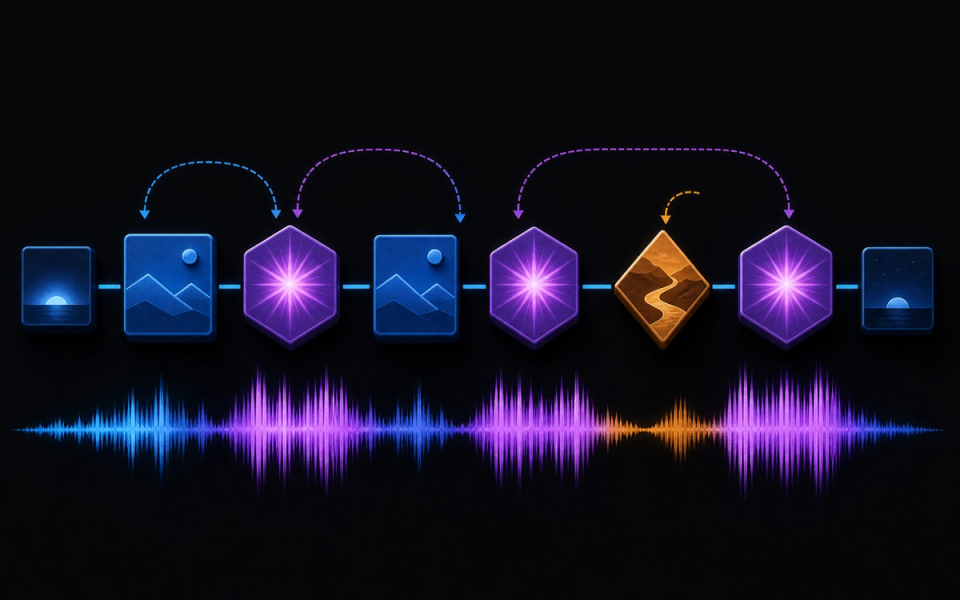
Map the intended sections:
- introduction;
- verse;
- pre-chorus;
- chorus;
- second verse or variation;
- bridge, breakdown, solo, or contrasting section;
- final chorus or development;
- outro.
Not every song needs every section. At 120 beats per minute, four bars of 4/4 last about eight seconds. Eight four-bar sections total roughly sixty-four seconds before repetitions, longer phrases, tempo changes, or performance space. This simple calculation helps identify where duration comes from.
Do not compress only by increasing tempo. A faster performance changes phrasing, groove, breath, and emotion. Edit form when form is the issue.
Decide what the song is for
A release can have more than one purpose, but one should lead:
- Focused single: establish identity quickly and support repeat listening.
- Album track: create contrast, narrative, or depth within a larger sequence.
- Club track: provide mixable entry, development, release, and exit.
- Live piece: leave room for performance and audience response.
- Sync track: support edit points and visual development.
- Ambient or functional piece: sustain a state rather than deliver a compact hook.
- Promotional excerpt: communicate one real moment and point to the full work.
The same composition can have a full version and a clearly labeled edit when each serves a real use. Keep identifiers, titles, masters, and rights records distinct.
What current song-length data can tell you
Doldur Music examined 8,778 selected tracks. In that catalogue, median duration declines from 3:44 in the 2000s to 3:36 in the 2010s and 3:04 in 2020–2025. The song-length analysis explains the selection limits.
This is a benchmark, not a target. The file does not reveal country, charts, historical streams, playlist exposure, or why artists chose a duration. Its recent cohort also contains the majority of tracks, while the oldest decades are sparse.
Our average song length by decade article explains why the median is useful and why different catalogues produce different answers.
Use a benchmark to notice convention. Break it when the song benefits.
Genre benchmarks should be treated the same way. A typical duration can help a DJ plan a set or an editor estimate pacing, but it cannot identify the best form for a new work. Even within one genre, radio singles, album cuts, live performances, remixes, interludes, and collaborative tracks serve different jobs. Compare like with like before calling a version unusually long or short.
How to decide whether a section earns its time
Listen for change. A repeated section can add value through new lyrics, harmony, instrumentation, vocal delivery, dynamics, or context. Repetition without development may still be the point in dance, ritual, drone, minimalism, or a chant.
Ask of each section:
- Does it introduce information or deepen a feeling?
- Does it create contrast or necessary anticipation?
- Does it make the next section land differently?
- Would the song lose identity without it?
- Does repeat listening reveal detail?
Mute the section and join the surrounding parts. If the song becomes clearer with no emotional loss, the edit may help. If the arrival feels unearned, restore or rewrite it.
Should a song reach the hook immediately?
An early hook can clarify identity in discovery contexts. The hook does not have to be the full chorus. It can be a vocal tone, instrumental motif, rhythm, texture, lyric, or harmonic turn.
A slow introduction works when anticipation is part of the experience. The problem is not elapsed seconds; it is an opening that gives the listener no meaningful reason to stay.
Test the first thirty seconds after another track, not only from silence. Sequence changes perceived pace and loudness.
Do streaming platforms require short songs?
Spotify does not publish a universal preferred duration. Its royalty system uses eligible streams and streamshare rather than paying in direct proportion to minutes. A shorter track can repeat sooner, but another genuine play still has to occur.
Our article Does Spotify Favor Shorter Songs? separates counting, royalty allocation, completion, recommendation, and artist strategy.
Do not create artificial fragments, silence, or deceptive loops to multiply plays. Distributors and platforms can penalize artificial streaming and low-value spam. The result is risk without a real audience.
Does TikTok require a short song?
TikTok uses excerpts. A recognizable fifteen-second moment can come from a two-minute song or a ten-minute song. Short-form usefulness is about the clip’s action and identity, not necessarily the full master.
Create promotional edits after the song works. Preserve the official artist, title, and link so the excerpt leads somewhere. If users speed up or remix a section, make the source easy to identify.
When to create a radio or streaming edit
Create an edit when a specific outlet, audience, or campaign needs one and the shorter version still respects the work.
A responsible edit:
- has a clear title such as “Radio Edit”;
- uses a separate master and metadata record;
- keeps contributor and rights information;
- removes or tightens sections cleanly;
- does not misrepresent featured performers;
- points listeners toward the full version where appropriate.
Do not overwrite the original master or use the same identifier carelessly. Ask the distributor and rights team how versions should be delivered.
Test duration with people, not only a waveform
Use three listening groups:
- collaborators who know the song;
- trusted listeners who fit the intended audience;
- listeners who have no context.
Ask where attention changed, what felt repetitive, what arrived too quickly, and which moment stayed afterward. Do not ask only “Is it too long?” That question invites a yes-or-no answer without locating the problem.
Compare versions at matched loudness. A shorter or louder edit can feel more exciting for reasons unrelated to structure.
A practical song-length workflow
1. Finish the full emotional arc
Write the version that completes the idea before optimizing it.
2. Mark the essential moments
Identify the opening identity, main hook, contrast, peak, and ending.
3. Remove one weak repetition
Test the smallest edit first. Do not rebuild the whole song around a rumor.
4. Listen in context
Play it after similar releases, inside the album sequence, and on the devices the audience uses.
5. Prepare truthful versions
Create a radio edit or promotional clip only when it has a defined destination.
6. Document the release
Keep titles, credits, dates, artwork, identifiers, and version relationships consistent. The Doldur Release SEO Kit helps assemble editable release metadata without promising rankings.
Conclusion
Before changing an arrangement, test the full song with people who understand its intended setting. Ask where attention changes and why; do not reduce every response to a stopwatch result.
The right song length is a musical decision informed by audience and format. Use current medians as context, not commands. When every section changes the listener’s experience, the duration is defensible—whether it is two minutes or twelve.
Make the edit because the music improves, then document the version so listeners and collaborators know exactly what they are hearing.
Frequently asked questions
Is three minutes the perfect song length?
It is a common popular-song reference, not a universal optimum. Genre, form, tempo, narrative, and purpose can justify much shorter or longer work.
How long should a Spotify song be?
Spotify does not publish an ideal duration. Make the song complete, meet current distributor requirements, and avoid artificial streaming tactics.
Should an intro be shorter than thirty seconds?
Only when the current intro delays the song without adding atmosphere, identity, or anticipation. A useful slow build can be longer.
Can I release a full version and a radio edit?
Yes, when rights and distribution are handled correctly. Label the versions clearly and preserve separate masters and metadata.
Sources and further reading
- Doldur Music: Are Songs Getting Shorter?Original cohort medians and explicit selection limits.
- Spotify Track Monetization EligibilityCurrent eligibility context; not treated as an ideal artistic duration.
- Spotify Understanding RoyaltiesCurrent streamshare explanation and limits of per-stream duration claims.
- Common Songwriting and Production PracticesHistorical popular-song structure and duration context.