
analysis
AI Musicians at Doldur: Elshad Karabulut and Zey Williams
A transparent introduction to Doldur artists Elshad Karabulut and Zey Williams, how the projects use AI assistance, and how listeners should evaluate virtual artists.
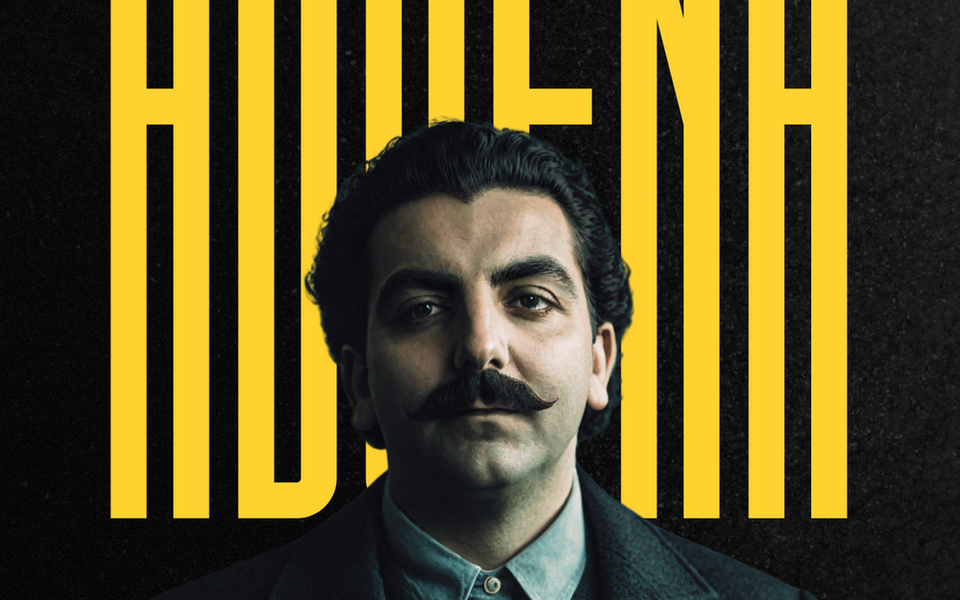
Elshad Karabulut and Zey Williams are artist projects in the Doldur Music catalog. The original 2024 profile used sweeping claims about “AI musicians” without explaining the creative model clearly enough. This update puts the music first and treats AI as part of a disclosed production process rather than a substitute for artist identity.
Two distinct projects
Elshad Karabulut and Zey Williams should be heard as separate catalogs with different musical identities, not as demonstrations of one technology. The useful listener question is the same as for any artist: does the work have a recognizable point of view, consistent choices, and songs worth returning to?
What AI-assisted should disclose
A responsible virtual or AI-assisted artist project should explain who directs the concept, writes or edits lyrics, chooses compositions, performs or selects voices, produces the recordings, approves artwork, and controls releases. The answer can vary by track, but responsibility should not disappear behind the word “AI.”
Human authorship and records
Doldur’s workflow should preserve drafts, prompts, sessions, arrangement changes, performances, edits, and final approvals. The U.S. Copyright Office’s guidance makes that record especially relevant when a work includes generated material.
Voice, likeness, and identity
A fictional artist identity must not impersonate a real person without authorization. Voices and images need a documented source and usage basis. Metadata and artist profiles should make the project’s nature clear enough that listeners are not deliberately misled.
How to listen
Start with each artist’s official catalog and compare several tracks. Listen for recurring lyrical themes, production choices, pacing, vocal character, and development between releases. A coherent artist is built across a body of work, not proved by one technical novelty.
Doldur’s standard
The standard is accountable authorship: clear human direction, rights-cleared inputs, accurate credits, editorial review, and honest AI disclosure. Technology may assist ideation or production, but Doldur remains responsible for what it releases.
Conclusion
Elshad Karabulut and Zey Williams matter when the songs create a relationship with listeners. The most credible future for AI-assisted artists is transparent and artist-led: tools can expand the palette, while people remain accountable for identity, rights, taste, and release decisions.
Frequently asked questions
Are Elshad Karabulut and Zey Williams real artists? They are Doldur artist projects with public catalogs; this page describes them as AI-assisted/virtual projects rather than autonomous people.
Who owns the music? Ownership and credits should be documented per release; consult the official release metadata.
Does AI make the music copyright-free? No. Rights and copyright depend on the human contribution, inputs, agreements, and jurisdiction.
Sources and further reading
- Elshad Karabulut on SpotifyOfficial public artist catalog.
- Zey Williams on SpotifyOfficial public artist catalog.
- U.S. Copyright Office — AI CopyrightabilityHuman-authorship context.