guide
AI Music Trends 2026: Rights, Tools, Platforms, and Fans
The most important AI music trends in 2026: creator tools, licensed models, platform protections, metadata, copyright, and durable artist strategy.
AI music in 2026 is moving from isolated generation demos into the infrastructure around creation, licensing, metadata, distribution, and fan participation. The durable trend is not simply that models sound better. It is that the industry is defining who may train, generate, imitate, distribute, remix, credit, and earn.
1. AI is becoming a production layer, not a single product
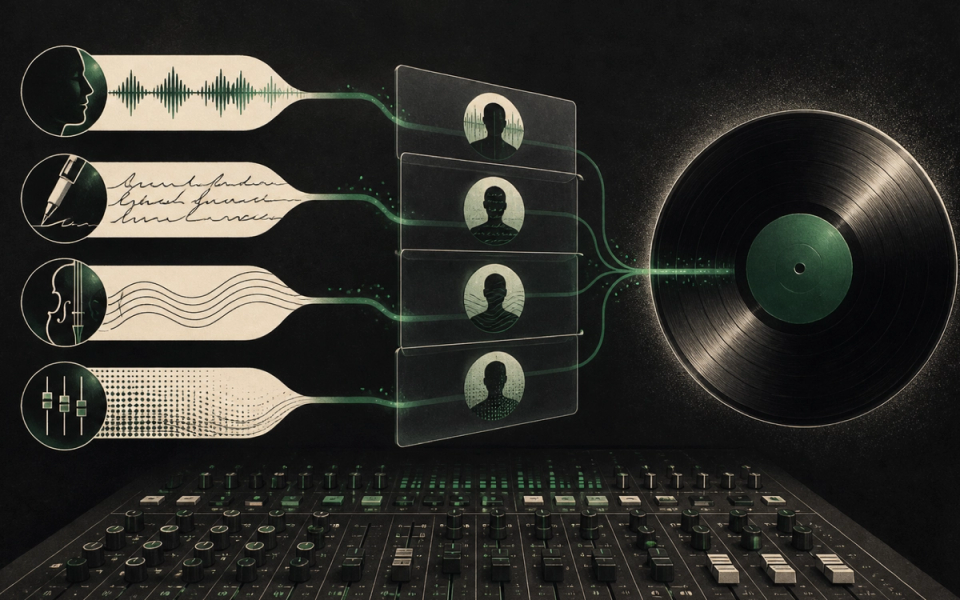
Creators now encounter AI in stem separation, MIDI generation, audio cleanup, mixing, mastering, tagging, lyric alignment, discovery, and release planning. The best tool choice begins with a narrow task. A stem splitter and a full text-to-song generator carry very different creative and legal risks.
For independent artists, narrower tools are often easier to control because the human decisions remain visible. Keep sessions, versions, prompts, stems, and exports so the creative chain is documented.
2. Licensing is moving into product design
Spotify’s artist-first partnerships, BandLab’s opt-in licensing database, UMG’s work with KLAY, and Jen’s licensed StyleFilters all point toward permission being designed before generation rather than negotiated after a dispute.
The important questions are granular: which composition, master, performance, voice, or style asset is licensed; who approves the use; how payment works; and whether permission can be withdrawn.
3. Platforms are separating assistance from abuse
Spotify says AI use is not inherently the problem, while unauthorized vocal impersonation, deceptive delivery, spam, and royalty manipulation are. Its current program combines impersonation enforcement, a music-spam filter, AI disclosures, and artist-profile protection.
Artists should monitor their profiles, verify credits after delivery, keep distributor records, and report mismatches quickly. A large upload volume is not a sustainable discovery strategy.
4. Human authorship records matter
The U.S. Copyright Office says AI-assisted work can be protected when a human determines sufficient expressive elements, while purely machine-generated material and prompts alone generally do not qualify. This makes process evidence commercially useful, not merely administrative.
A strong workflow preserves lyric drafts, MIDI edits, recorded performances, arrangement changes, sound design, comping, automation, and final selection decisions.
5. Metadata is becoming AI infrastructure
DDEX has updated delivery standards so supply-chain participants can communicate AI involvement and whether recordings may be used for training. Metadata will not solve every dispute, but missing data makes consent, attribution, detection, and payment harder.
Creators should treat writer, performer, producer, ISRC, composition, sample, voice, and AI-use data as part of the release—not cleanup after delivery.
6. Fan participation is becoming a licensed product
Spotify and UMG have announced work on licensed fan-made covers and remixes from participating catalogs. This shifts AI from a private creation tool toward an interactive fan experience that can be permissioned and monetized.
The test is whether the feature creates durable artist value: meaningful fan actions, credit, compensation, and a clear opt-in—not simply more derivative files.
7. Detection will remain imperfect
Audio and metadata detection can support enforcement, but no classifier should be treated as a universal truth machine. Models change, files are edited, and legitimate human work may include assistive AI. Platform policy needs an appeal path and evidence beyond one score.
8. The winning strategy is selective adoption
Artists do not need an ideological yes-or-no position on AI. They need a tool policy: approved tasks, prohibited inputs, collaborator consent, data-retention checks, authorship records, release disclosures, and a human review step.
Use AI where it removes friction or creates a controllable new possibility. Avoid it where rights, confidentiality, identity, or quality cannot be verified.
Outlook
In 2026, the competitive advantage is not generating the most content. It is building a trusted catalog with clear rights, useful metadata, recognizable human direction, and tools that shorten the distance from idea to meaningful fan connection.
Frequently asked questions
Will AI replace musicians? It can automate tasks and generate material, but artist identity, taste, performance, responsibility, and fan relationships remain human economic assets.
Can AI-assisted music be copyrighted? In the United States, human-authored elements and sufficiently creative human selection, arrangement, or modification may qualify; purely AI-generated elements may not.
Should artists disclose AI use? Follow distributor and platform requirements, and disclose material uses when they affect attribution, consent, or audience expectations.
Sources and further reading
- Spotify — AI protections for artistsImpersonation, spam filtering, and AI disclosure policy.
- Spotify — Artist-first AI collaborationLicensed, opt-in product principles and industry partners.
- DDEX — AI metadata initiativesStandards work for AI involvement and training permissions.
- U.S. Copyright Office — AI CopyrightabilityHuman-authorship analysis for AI-assisted works.
- U.S. Copyright Office — AI initiativeDigital replicas, copyrightability, and training reports.
- BandLab — AI licensing platformOpt-in licensing and explicit approval model.