analysis
AI Music Licensing in 2026: A Practical Artist Framework
A practical guide to AI music licensing, human authorship, training consent, voices, metadata, and release documentation for artists.
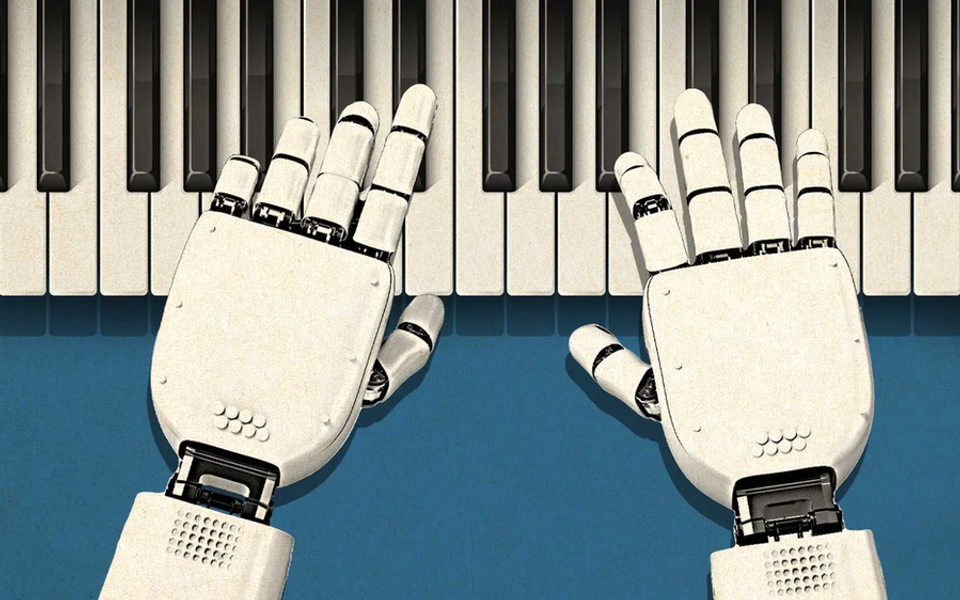
AI music licensing is not one permission. A project may involve a composition, master recording, lyrics, performance, samples, voice, name and likeness, training data, generated output, and distribution rights. The most common mistakes happen when a platform’s broad “commercial use” statement is treated as clearance for every layer.
Map the rights stack
Write down every input and output. Who owns the composition and master? Did collaborators approve the upload? Does the model receive a voice, reference track, stems, or lyrics? Can the output be distributed, synchronized, sublicensed, or used to train another model?
Training consent
A credible training license identifies the works, model developer, purpose, territory, duration, compensation, reporting, security, and withdrawal process. BandLab’s licensing approach requires explicit approval for opportunities; Jen describes licensed StyleFilters tied to participating artists. These are useful models because consent is visible and specific.
Human authorship
The U.S. Copyright Office says AI-assisted work can be protected when human authors determine sufficient expressive elements. Purely generated material and prompts alone generally do not qualify. Preserve lyrics, performances, MIDI edits, arrangement, sound design, comping, automation, and selection decisions.
Voice and identity
Permission to use a song does not automatically include a singer’s digital replica. Obtain explicit authorization for voice or likeness, define sensitive and prohibited contexts, disclose material synthetic use, and create a takedown or correction process.
Metadata
Record writer and performer credits, ISRC, composition information, samples, tool and model version, generation date, source licenses, collaborator approvals, and AI disclosures. DDEX is expanding ways for AI involvement and training permissions to travel through the music supply chain.
Release checklist
- Save the terms and receipt that applied on the generation date.
- Clear every uploaded input and sample.
- Document human creative contribution.
- Check output similarity and impersonation risk.
- Confirm distributor and platform policies.
- Add accurate credits and required disclosures.
- Keep a contact path for corrections or claims.
Conclusion
The safest AI music project is not the one with the longest legal page. It is the one whose permissions can be explained asset by asset. Use narrow tools, obtain specific consent, preserve authorship evidence, and do not promise rights that the platform does not clearly grant.
Frequently asked questions
Does commercial use mean exclusive ownership? No. It may allow monetization without granting exclusivity or copyright in every element.
Can I train a model on music I bought? Buying a copy usually does not include model-training rights.
Is AI music legal? Legality depends on inputs, licenses, output, jurisdiction, impersonation, and use. Get legal advice for high-value projects.
Sources and further reading
- U.S. Copyright Office — AI CopyrightabilityHuman-authorship analysis for AI-assisted works.
- U.S. Copyright Office — AI initiativeDigital replicas, copyrightability, and training reports.
- BandLab — AI licensing platformOpt-in licensing and explicit approval model.
- DDEX — AI metadata initiativesAI involvement and training-permission fields.